This guide outlines the difference between good quality vs. bad quality images, giving you a clear roadmap of the shots we need to build a stunning, high-performing website together.
In the digital world, your website is your virtual storefront. Before a potential customer reads a single word of your copy, they judge your business based on your visuals.
High-quality images build immediate trust, prove your legitimacy, and directly impact your conversion rates.
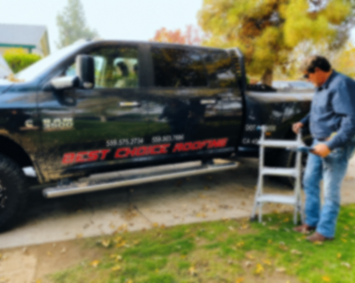
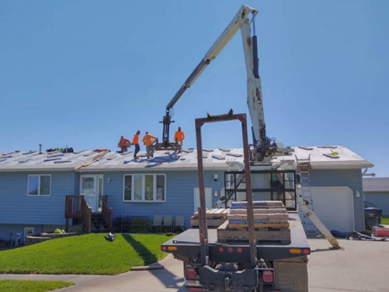
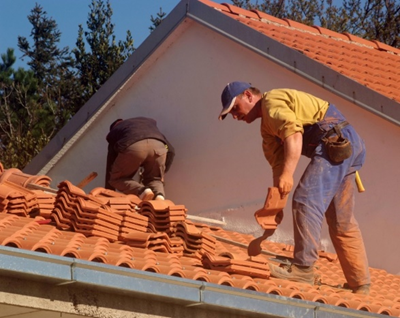
1. Action Shots: People Performing the Work
We want to show your team in action. While a finished project (like a brand-new roof) is great, customers want to see the human element behind the craftsmanship.
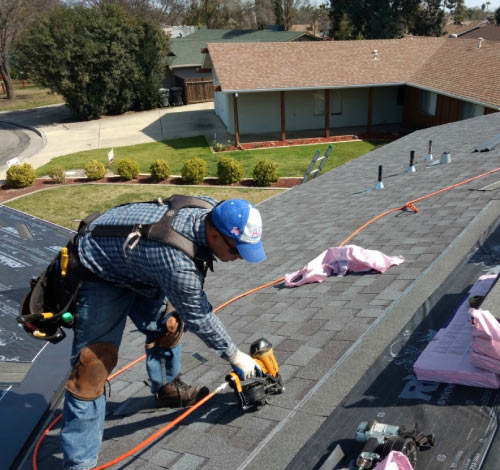
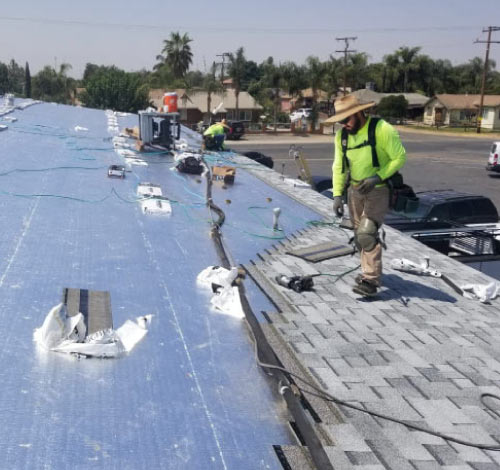
Good Quality: Authentic & Clear
Why they work: These images feature real employees actively working. They feature great lighting, sharp focus, and intentional angles. This pulls the customer into the process and builds transparency.
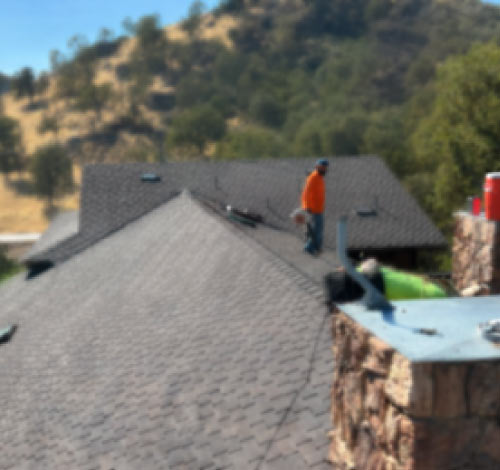
Bad Quality: Blurry & Detached
Why they fail: Dark, blurry, or pixelated images don’t look professional. If the details of the workmanship are lost in a fuzzy photo, potential clients will assume the same lack of care applies to your actual services.





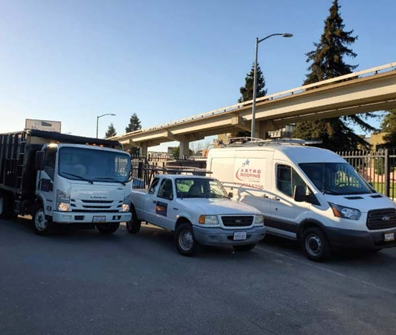
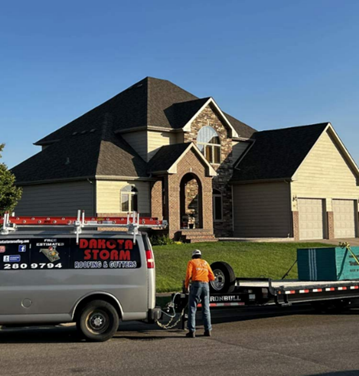
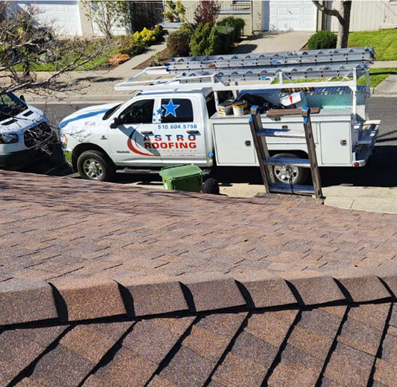
2. Branded Assets: Work Trucks & Equipment
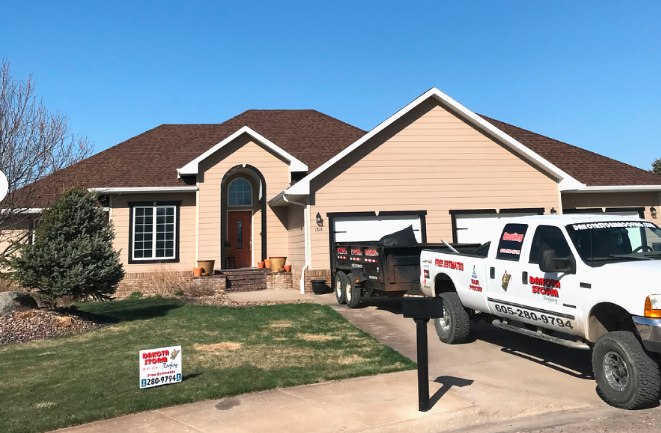
Your vehicle fleet functions as a highly visible, mobile extension of your brand identity. Showcasing your branded trucks reinforces that you are an established, professional local business.
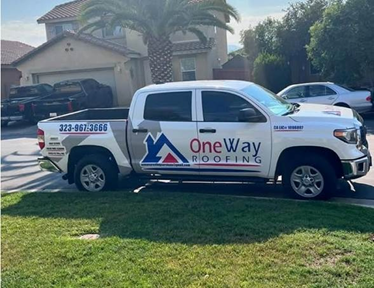
Good Quality: Proud & Professional
Why they work: The truck is at the right angle and with good lighting. Your company logo and contact details are perfectly legible, projecting authority and pride.
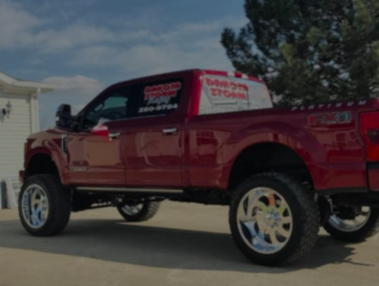
Bad Quality: Obscured & Unclear
Why they fail: Shaky, poorly angled shots where the logo is cut off or unreadable. If a visitor can't tell what the image is supposed to represent, it just becomes website clutter.
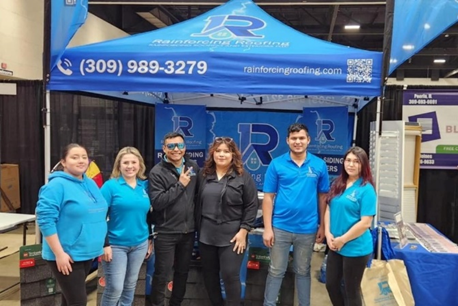
3. The Human Element: Team Pictures
People buy from people. A strong team photo breaks down the digital wall and makes your company relatable.
Good Quality: Trust-Building & Cohesive
Why they work: Everyone is visible, neatly dressed (ideally in company uniform), and smiling. The branding is clear. This immediately reassures prospects that a friendly, professional crew will be showing up at their home.
Bad Quality: Unprofessional & Low-Energy
Why they fail: Poorly lit, poorly framed, or candid shots where team members look unprepared. A low-quality team photo can accidentally make a great crew look disorganized.


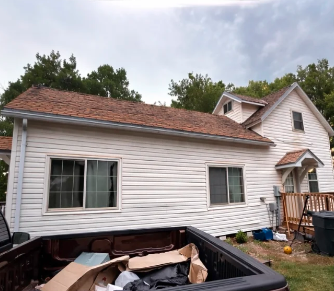
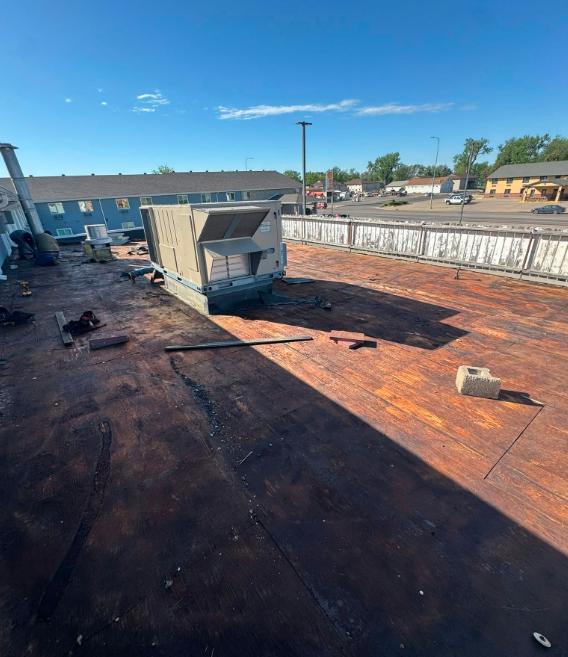
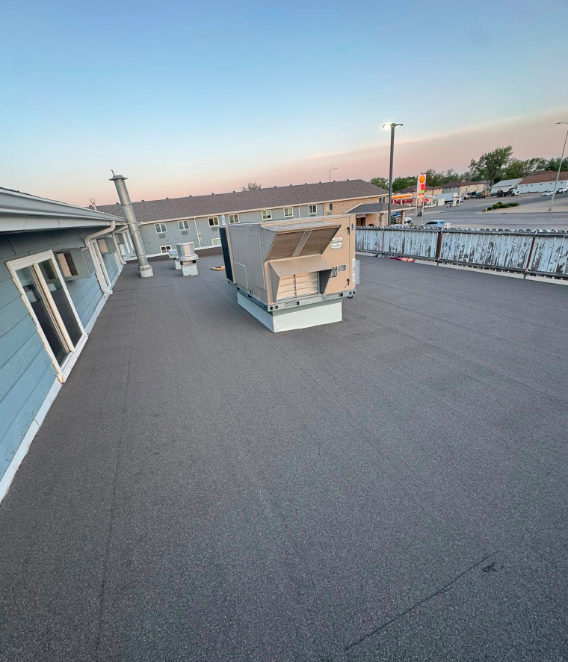
4. Case Studies: Before & After transformations
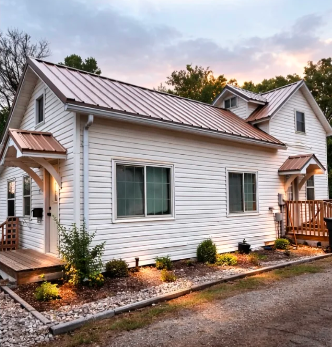
Nothing sells your capabilities faster than a great transformation. It provides undeniable visual proof of your expertise and helps customers visualize what you can do for them.



The Quick Checklist: Good vs. Bad Quality
When taking photos, please keep this quick reference guide in mind:
Good Quality images:
- Lighting: Bright, natural daylight (avoid harsh shadows or direct glare).
- Focus: Crisp, sharp edges where details are clearly visible.
- Composition: Clean backgrounds, straight angles, intentional framing.
Bad Quality images:
- Lighting: Dark, grainy or nighttime shots.
- Focus: Blurry, shaky, or pixelated images.
- Composition: Cropped-out logos, cluttered backgrounds, accidental photobombs.



Strategic Visuals That Drive Revenue
The “About Us” Page: Your Digital Handshake
It is highly recommended to include a high-quality profile picture of the company owner smiling and wearing company-branded apparel.
- Humanize Your Brand: People want to know exactly who they are doing business with.
- Establish Legitimacy: Sharing your history, mission, and genuine team photos reassures skeptical buyers that you are a stable local fixture.
- Boost Local SEO: An optimized, authentic “About Us” page sends strong signals to search engines about your business entity, improving your local search visibility.

Strategic Visuals That Drive Revenue
The “About Us” Page: Your Digital Handshake
It is highly recommended to include a high-quality profile picture of the company owner smiling and wearing company-branded apparel.
- Humanize Your Brand: People want to know exactly who they are doing business with.
- Establish Legitimacy: Sharing your history, mission, and genuine team photos reassures skeptical buyers that you are a stable local fixture.
- Boost Local SEO: An optimized, authentic “About Us” page sends strong signals to search engines about your business entity, improving your local search visibility.
Final Note: Prioritize Variety
To keep visitors engaged, we want to showcase visual diversity. Instead of twenty different photos of finished work, let’s aim for a rich mix of team smiles, active safety protocols, truck fleets, and beautiful final results.


Let’s build a stunning, high-converting website together!